
 By Digi Team
You likely use LPG for cooking or heating without a second thought. But have you ever stopped to wonder where it actually comes from? Is it simply a leftover from another process? Let’s explore how is LPG made and learn the full story.
🚀 Key Takeaways
- LPG is primarily a byproduct of natural gas processing and crude oil refining.
- LPG mainly consists of propane and butane, though minor amounts of other hydrocarbons are present.
- Natural gas processing separates Natural Gas Liquids (NGLs) like propane and butane from methane.
- Crude oil cracking units break down heavier fractions to increase the yield of LPG components.
- LPG produces lower carbon emissions and fewer particulate matter pollutants than other fossil fuels.
What is LPG? Definition and Characteristics
Liquefied Petroleum Gas (LPG) is a versatile, flammable blend of hydrocarbon gases. Primarily used as fuel for heating, vehicles, and as a refrigerant, understanding how is lpg made often starts with its production as a byproduct of natural gas processing and crude oil refining.
Key Components: Propane and Butane
LPG mainly consists of propane and butane, though minor amounts of other hydrocarbons like propylene can be present. The specific ratio varies by source and intended use, impacting its performance in different climates.
Physical Properties and Energy Content
At standard conditions, LPG is a gas, but easily liquefies under pressure or refrigeration for compact storage and transport. This liquid form provides high energy density, releasing significant heat when combusted, making it an efficient fuel.
Diverse Applications of LPG
LPG is widely used across sectors. It’s a popular domestic fuel for cooking and heating. Industrially, it powers forklifts and furnaces. As “Autogas,” it also provides a cleaner vehicle fuel option.
How is LPG Made: From Natural Gas Processing
While LPG proves its versatility across many applications, understanding how it originates is key to appreciating this valuable fuel. So, how is LPG made? Primarily, it’s a byproduct of natural gas processing and, to a lesser extent, crude oil refining.
Extracting Raw Natural Gas
The experience begins deep underground, where raw natural gas is extracted from reservoirs. This gas isn’t pure methane; it’s a complex mixture containing lighter hydrocarbons like methane, ethane, propane, and butane, alongside other impurities.
Separating Natural Gas Liquids (NGLs)
Once extracted, raw natural gas is processed to remove impurities and separate Natural Gas Liquids (NGLs) from the methane. This separation often involves cooling the gas to very low temperatures, causing heavier NGL components (like propane and butane) to condense into liquid.
Fractionation into Pure LPG
The collected NGL stream then moves to a fractionation plant. A distillation process precisely separates the mixture into its individual components based on boiling points. Propane, butane, and isobutane are isolated, purified, and stored under pressure as liquefied petroleum gas (LPG), ready for distribution.
LPG is mainly a byproduct of natural gas processing, separating from methane.
How is LPG Made: As a Refinery Byproduct
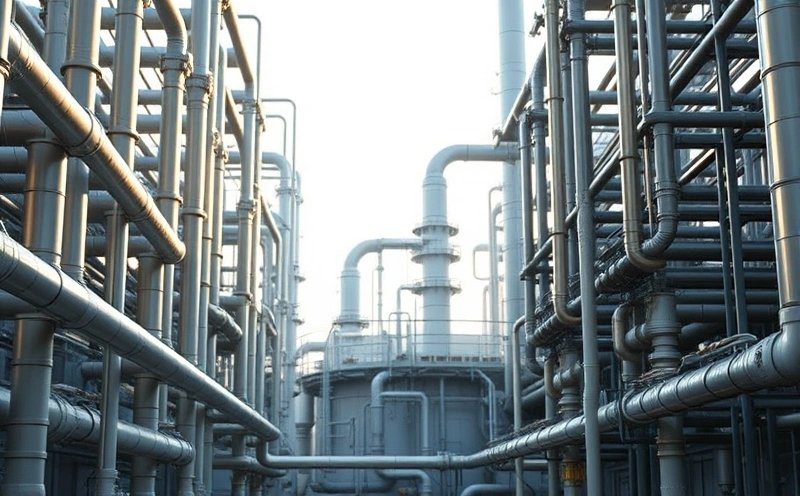
While final separation was discussed, truly understanding how is lpg made begins with crude oil processing. LPG isn’t directly extracted; it’s a valuable gas byproduct from refining crude oil and natural gas liquids. Refineries break down larger hydrocarbons into useful, lighter products.
Crude Oil Refining Overview
Crude oil first undergoes atmospheric distillation, separating it into fractions by boiling point. Lighter components, like refinery gases, rise. Heavier components, such as fuel oils, remain at the bottom for further processing.
Thermal and Catalytic Cracking
Heavier fractions are sent to cracking units. These processes use high temperatures, and catalysts for catalytic cracking, to break down large hydrocarbon molecules into smaller, more valuable ones. This increases the yield of LPG components.
Collecting and Purifying Refinery Gases
During refining, light ‘refinery gases’ are produced. These are collected and directed to specialized processing units for separation. Propane, butane, and isobutane are then isolated, purified, and prepared for storage as LPG.
Crude oil refining also produces LPG during the distillation process.
Global Supply, Safety, and Sustainability of LPG
After purification and storage, LPG enters complex global supply chains. Understanding how is lpg made is just the beginning; its safe handling, efficient distribution, and environmental role worldwide become paramount. Reliability and safety are industry priorities.
Safe Storage and Distribution Networks
LPG is stored under pressure in strong tanks, from massive terminals to household cylinders. Its distribution network utilizes specialized ships, rail cars, road tankers, and pipelines, all adhering to stringent international safety standards.
LPG’s Environmental Footprint
Compared to other fossil fuels, LPG offers a cleaner-burning alternative. It produces lower carbon emissions and significantly fewer particulate matter pollutants, making it a valuable transitional energy source for many regions.
Future Outlook for LPG Production
The future of LPG production is evolving, with continued demand expected in industrial and domestic sectors, especially in emerging economies. Renewable sources like bio-LPG, derived from biomass, could further enhance its sustainability and role in a diverse energy mix.
Frequently Asked Questions
How is LPG made step by step?
LPG is made as a byproduct during natural gas processing and crude oil refining. It’s separated from these raw materials using processes like fractional distillation and absorption.
Why is LPG not used anymore?
LPG is actually still widely used around the world. It’s a popular fuel for cooking, heating, and even vehicles in many countries.
What are the raw materials of LPG?
The main raw materials for LPG are natural gas and crude oil. It’s primarily a mix of propane and butane extracted from these sources.
What are the disadvantages of LPG gas?
LPG is highly flammable and needs special pressurized tanks, posing a safety risk if not handled correctly. Also, since it’s a fossil fuel, burning it contributes to greenhouse gas emissions.
Final Thoughts on How Is Lpg Made
We’ve seen that LPG isn’t just pulled from the ground. It’s carefully separated from raw natural gas and also created as a byproduct during crude oil refining.
Whether it’s splitting out natural gas liquids or cracking heavier crude, these steps give us the versatile propane and butane blend we know. After all that, it’s stored safely, shipped globally, and used as a cleaner fuel.
So, the next time you use LPG, you’ll have a clearer picture of its experience from deep underground or a busy refinery. Understanding its origins can help you appreciate this everyday fuel even more.