
 By Digi Team
 You use petrol for your car almost every day. It’s a vital fuel, but its origin might surprise you. This useful liquid actually starts as dark, thick crude oil from deep underground. A special method called fractional distillation takes over. This process then gives you the petrol that powers your daily commute.
🚀 Key Takeaways
- Crude oil forms from ancient marine organisms and plants over millions of years.
- This raw material is a complex mix of hydrocarbons, often with impurities like sulfur compounds.
- Fractional distillation is the main process for separating crude oil based on boiling points.
- Petrol, kerosene, diesel, lubricating oils, and bitumen are all products from crude oil.
- Cracking breaks heavier hydrocarbon molecules into lighter ones to boost petrol supply.
- Sulfur compounds
- Nitrogen compounds
- Oxygen compounds
- Trace metals like vanadium and nickel
Understanding Crude Oil: Nature’s Complex Mix
Beneath the Earth’s surface lies a fascinating liquid, a complex mixture known as crude oil. This raw fossil fuel, crucial to modern society, is far more than just black goo; it’s a testament to millions of years of geological processes and organic transformation, holding the building blocks for countless products we use daily.
Origins and Formation of Crude Oil
This valuable resource originates from the remains of ancient marine organisms and plants. Over millennia, buried under layers of sediment, intense heat and pressure transformed these organic materials into the petroleum we extract today, a process that continues very slowly even now.
Composition: Hydrocarbons and Impurities
At its core, this raw material is a complex soup of hydrocarbons, molecules built from hydrogen and carbon atoms. However, it’s rarely found in a pure state, often containing other elements that act as impurities. These typically include:
Why Refining Crude Oil is Essential
Directly pumping this substance into your car wouldn’t work out so well. The raw form isn’t suitable for most applications; it needs extensive processing. Refining separates the different components into useful products like gasoline, diesel, jet fuel, and countless petrochemicals, making it practical for consumption.
Fractional Distillation: How Crude Oil is Separated
To achieve this crucial separation, the refining process primarily relies on fractional distillation, a clever technique that harnesses differences in boiling points to sort the complex mixture that is crude oil. This method is fundamental to transforming a raw, unrefined substance into the usable fuels and chemicals our modern world depends on.
The Principles of Thermal Separation
The core idea behind fractional distillation is quite simple: heat up the crude oil until it vaporizes, then allow the different components to cool and condense at varying temperatures. Each component, or “fraction,” has a unique boiling point, allowing them to be separated systematically.
Inside the Distillation Column: Temperature Gradients
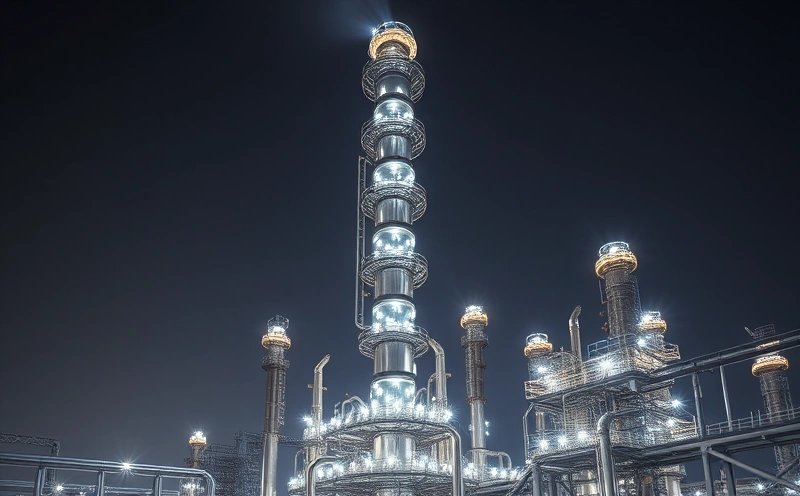
This process happens inside a tall, vertical distillation column. The column is hottest at the bottom, where the crude oil enters as a superheated vapor. As these vapors rise through the column, they gradually cool, creating a distinct temperature gradient from bottom (hottest) to top (coolest).
Collecting Different Petroleum Fractions
Different components condense at specific levels within the column where the temperature matches their boiling point. Heavier fractions, with higher boiling points, condense lower down and are collected. Lighter fractions, with lower boiling points, continue to rise higher before condensing and being collected at upper levels, resulting in a stack of separated products.
Crude oil forms from ancient marine organisms under immense heat and pressure over millions of.
From Fractions to Everyday Products
Once separated, these distinct fractions derived from crude oil become the foundation for a vast array of products we use daily. It’s truly fascinating how a single raw material can be transformed into so many essential items, each with very different properties and applications.
Petrol and its Crucial Role
The most well-known light fraction is petrol, or gasoline, which fuels the majority of our vehicles. Its efficient combustion properties make it indispensable for transportation worldwide, powering everything from cars to motorcycles and even small engines.
Other Valuable Petroleum Products
Beyond petrol, the distillation process yields numerous other valuable substances. Kerosene, for instance, serves as jet fuel and heating oil. Diesel is crucial for heavy transport and machinery. Lubricating oils reduce friction in engines, while bitumen provides the binding material for road surfaces, ensuring our infrastructure remains strong.
Matching Fractions to Industrial Needs
The beauty of fractional distillation lies in its ability to tailor products to specific industrial and consumer demands. Each fraction, with its unique boiling point range and properties, is perfectly suited for particular applications, from generating power to constructing infrastructure and manufacturing plastics.
A barrel of crude oil contains 42 US gallons, which yields diverse refined products.
Beyond Distillation: Improving Petrol Quality
While fractional distillation is just the first step, improving petrol quality goes much further. Often, the initial yield of petrol from crude oil isn’t enough, or its properties don’t quite suit modern engines. This is where advanced refining processes truly step in, transforming less valuable fractions and enhancing the final product significantly.
Cracking and Reforming for More Petrol
To boost petrol supply, cracking breaks down heavier hydrocarbon molecules into lighter, more useful ones. Reforming then rearranges these components to improve their octane rating, leading to better engine performance.
Additives for Enhanced Performance
After blending, various additives fine-tune petrol. These improve octane to prevent engine knocking, include detergents to keep fuel injectors clean, and add corrosion inhibitors to protect the fuel system.
Environmental Standards and Future Refining
Modern refining also addresses stringent environmental regulations. Refineries adapt processes to reduce harmful emissions, such as lowering sulfur content and developing cleaner-burning formulations.
Frequently Asked Questions
What exactly is crude oil?
Crude oil is a natural, unrefined fossil fuel found underground. It’s a complex mix of hydrocarbons that we process into many useful products like gasoline, diesel, and plastics.
What’s the price of a barrel of oil today?
The price of a barrel of oil changes by the minute, so there’s no single “today” price. You can check financial news sites or market trackers for the latest real-time figures.
How much would gas be at 200 dollars a barrel?
If crude oil hit $200 a barrel, gas prices would likely be very high, possibly in the $6 to $8 range or even more, depending on other factors. Refinery costs, taxes, and demand also play a big part in the final price at the pump.
Which president ended the price controls on oil?
President Ronald Reagan ended the remaining price controls on oil shortly after taking office in January 1981. This move was part of his administration’s broader push for deregulation.
Final Thoughts on Crude Oil
This experience shows how crude oil, a complex mix from ancient life, goes from deep underground to our daily lives. Through clever processes like fractional distillation, this raw fossil fuel is carefully broken down into its many useful parts.
But it doesn’t stop there; advanced steps like cracking and reforming make sure we get even more, better quality petrol. Along with special additives, these methods fine-tune products to meet the demands of our vehicles and countless other items.
So, the next time you fill up your car or even use something made of plastic, take a moment to consider its incredible experience. You now have a clearer picture of how this ancient, complex mix powers and shapes so much of your world.