
 By Digi Team
Mackerel is a nutrient-rich fish that offers many health benefits. This tasty seafood is not only delicious but also packed with vitamins and healthy fats that your body needs. In this article, you’ll learn about the nutritional benefits of mackerel and why it deserves a spot on your dinner plate. From boosting heart health to providing essential nutrients, mackerel can be a great addition to your diet.
🚀 Key Takeaways
- Mackerel is rich in omega-3 fatty acids, which can reduce heart disease risk by up to 30%.
- A 3.5-ounce serving of mackerel provides about 360 IU of vitamin D, nearly half the daily recommended amount for adults.
- Mackerel can provide more than 100% of your daily needs for vitamin B12 in a single serving.
- Omega-3 fatty acids in mackerel help keep skin hydrated and can prevent conditions like eczema.
- Choosing mackerel labeled as ‘certified sustainable’ supports responsible fishing practices.
Mackerel’s Rich Omega-3 Fatty Acids
1Heart Health and Cholesterol Reduction
Mackerel is a great source of omega-3 fatty acids, which are important for heart health. These healthy fats help lower bad cholesterol levels. Studies show that eating fatty fish like mackerel can reduce the risk of heart disease by up to 30%. Regular consumption can improve blood circulation and lower blood pressure.
Eating mackerel also supports healthy arteries. By reducing inflammation in blood vessels, omega-3s help keep your heart strong and reduce the risk of heart attacks. Heart disease is one of the leading causes of death, so adding mackerel to your diet can make a big difference.
2Brain Function and Cognitive Boost
Mackerel supports brain health by providing essential nutrients. The omega-3 fatty acids found in mackerel are crucial for brain function and memory. Research shows that people who eat fish regularly have better cognitive skills and memory retention.
Including mackerel in meals may help to reduce the risk of dementia. A study found that older adults who consumed fish had a 40% lower risk of developing Alzheimer’s disease. This means that mackerel can be a tasty way to keep your mind sharp.
3Reducing Inflammation Throughout the Body
Mackerel can help reduce inflammation in the body, which is linked to many chronic diseases. The omega-3s in mackerel fight inflammation, leading to less pain and improved overall health. Studies show that people who eat fish regularly experience less joint pain and stiffness.
This anti-inflammatory effect can benefit people with conditions like arthritis. Eating mackerel two to three times a week can lead to noticeable improvements in joint health. Making mackerel a part of your diet can promote better health and comfort.
Essential Vitamins and Minerals in Mackerel
1Vitamin D for Bone Strength
Mackerel is rich in vitamin D, which is essential for strong bones. This vitamin helps your body absorb calcium, the mineral that keeps bones healthy. Just a 3.5-ounce serving of mackerel provides about 360 IU of vitamin D, nearly half of the daily recommended amount for adults. When you eat mackerel, you boost your bone strength and reduce the risk of fractures.
In fact, vitamin D also supports your immune system, helping you fight off illnesses. Regularly including mackerel in your diet can make a big difference in your overall health.
2B Vitamins for Energy Metabolism
Mackerel is an excellent source of B vitamins, especially B12 and niacin. These vitamins play a key role in breaking down food into energy. A single serving of mackerel can provide more than 100% of your daily needs for vitamin B12. This vitamin is crucial for keeping your energy levels high.
Additionally, B vitamins help with brain function and red blood cell production. Eating mackerel regularly can help you stay energized and focused throughout the day.
3Selenium’s Antioxidant Power
Mackerel also contains selenium, a powerful antioxidant. Selenium helps protect your cells from damage caused by harmful free radicals. A 3.5-ounce serving of mackerel offers about 40% of the daily recommended intake of selenium. This mineral supports thyroid function and boosts your immune system.
Including mackerel in your meals can help maintain your health and well-being. Its selenium content works alongside other nutrients to keep your body functioning at its best.
💡 Did You Know? Mackerel can swim at speeds of up to 15 miles per hour, making them one of the fastest fish in the ocean.
Health Benefits Beyond Basic Nutrition
1Supporting Immune System Function
Mackerel plays a key role in boosting your immune system. It is rich in omega-3 fatty acids, which help reduce inflammation. This means your body can fight off illnesses more effectively. A strong immune system means you can stay healthy and active.
Eating mackerel also provides vitamin D, important for immune health. Just a 3.5-ounce serving has about 360 IU of vitamin D. This vitamin helps your body produce the right cells to combat infections.
2Promoting Skin and Hair Health
Mackerel can enhance the health of your skin and hair. The omega-3s in mackerel keep your skin hydrated and reduce dryness. This helps prevent conditions like eczema and psoriasis, which can cause itchy and flaky skin.
The protein found in mackerel also supports hair growth. Protein is essential for building strong hair strands. Regularly including mackerel in your diet can lead to shinier and healthier hair.
3Aids in Weight Management Goals
Mackerel is a great food choice if you want to manage your weight. It contains high-quality protein, which helps you feel full longer. This can prevent overeating and snacking between meals.
Additionally, mackerel has healthy fats that support metabolism. A 3.5-ounce serving has about 20 grams of fat, most of which are beneficial. Eating mackerel can help you maintain a balanced diet while achieving your weight goals.
Incorporating into Your Diet
1Cooking Methods and Recipe Ideas
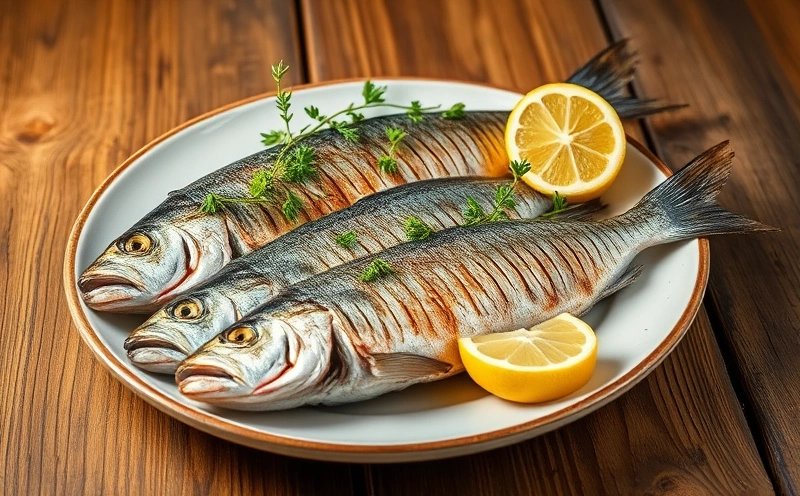
Mackerel is a versatile fish that can be cooked in many ways. You can grill, bake, or pan-sear it. Grilling gives it a smoky flavor, while baking keeps it moist. Try a simple recipe by seasoning the fish with lemon, salt, and pepper before grilling it for about 6-8 minutes on each side.
For a quick meal, mackerel can also be used in salads or tacos. Flake cooked mackerel into a salad with greens, tomatoes, and a light dressing. For tacos, wrap mackerel in corn tortillas with avocado and cabbage for a fresh, tasty dish.
2Choosing Sustainable Mackerel Sources
Selecting sustainable mackerel is important for the environment. Look for mackerel labeled as “certified sustainable.” This means it comes from fisheries that follow responsible practices. You can find these labels at many grocery stores.
Check local markets as well. They often have fresh mackerel caught from nearby waters. Supporting local fishers helps promote sustainable fishing and keeps your community thriving.
3Addressing Common Mackerel Concerns
Many people worry about mercury levels in fish, including mackerel. However, Atlantic mackerel is considered low in mercury, making it safe to eat regularly. In fact, the benefits of omega-3 fatty acids far outweigh the risks.
Some individuals may dislike the strong flavor of mackerel. If you find it too intense, try pairing it with milder ingredients like yogurt or cream sauces. This can balance the taste and make it more enjoyable.
Why You Should Add Mackerel to Your Plate Today
Mackerel is not just delicious; it’s also a fantastic source of omega-3 fatty acids and vitamin D. These nutrients can improve heart health, lower cholesterol, and strengthen your bones. By eating mackerel regularly, you can also boost your immune system and enhance skin and hair health.
With its versatility in cooking, mackerel can easily fit into various meals. Whether you grill it or add it to a salad, this fish is a simple way to improve your diet. Try incorporating mackerel into your meals this week for a tasty health boost!
Frequently Asked Questions
1Is mackerel a good fish to eat?
Yes, mackerel is a fantastic fish to eat! It’s loaded with beneficial omega-3 fatty acids, protein, and important vitamins like B12 and D.
2Can Ckd patients eat mackerel?
If you have CKD, it’s really important to discuss your diet, including mackerel, with your doctor or a dietitian. They can give you personalized advice on portion sizes and any potential concerns related to its phosphorus and potassium content.
3Is mackerel as healthy as salmon?
Both mackerel and salmon are incredibly healthy, being excellent sources of omega-3s and various nutrients. Mackerel often contains a bit more omega-3s per serving than salmon, making it just as, if not more, nutritious in some ways.
4Is mackerel better for you than sardines?
Both are excellent choices for their high omega-3 content and other nutrients. Sardines are typically smaller and have lower mercury levels, plus you often eat their bones for extra calcium, while mackerel offers a richer flavor and texture.