
 By Digi Team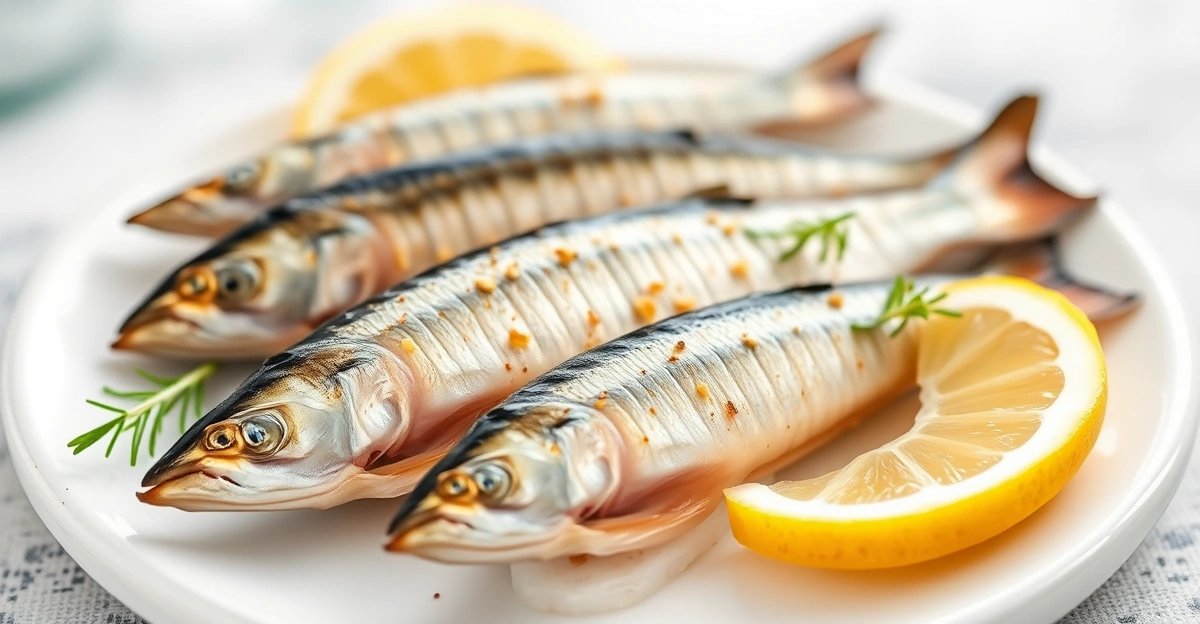
Good heart health starts with smart food choices. You likely already know about salmon or avocado. But a small, unassuming fish often gets overlooked. Sardines, packed with nutrients, offer powerful support for your cardiovascular system. Learn how this tiny catch can make a big difference for you.
🚀 Key Takeaways
- A 3.75-ounce can of sardines provides over 1,500 mg of essential omega-3 fatty acids.
- Regular sardine consumption can reduce elevated triglyceride levels by 20-50%.
- A 3.75-ounce can of sardines delivers over 100% of the Daily Value for Vitamin D.
- Sardines provide nearly 100% of the daily value for Vitamin B12.
- Sardines are among the most sustainable seafood options available.
Nutritional Powerhouse: What Sardines Offer
Small but mighty, sardines pack a remarkable nutritional punch. These silvery fish are not just a convenient pantry staple; they offer a concentrated source of vital compounds essential for human health.
1Abundant Omega-3 Fatty Acids Explained
These fish are an exceptional source of omega-3 fatty acids, particularly EPA and DHA. A single 3.75-ounce can often provides over 1,500 mg of these essential fats. They reduce systemic inflammation and support cardiovascular function.
2Essential Vitamins and Minerals Profile
Beyond omega-3s, these fish deliver a rich array of micronutrients. A serving provides nearly 100% of the daily value for Vitamin B12, crucial for nerve function. They also supply over 25% of the daily Vitamin D, essential for bone health, plus significant calcium, phosphorus, and selenium.
3Why These Nutrients Matter for Health
This nutrient combination offers significant health advantages. Omega-3s contribute to reduced heart disease risk and improved brain health. Vitamin D and calcium work synergistically for strong bones, while Vitamin B12 supports energy metabolism and neurological well-being.
Direct Heart Benefits from Sardines
Beyond general nutritional support, the small but mighty sardine offers targeted advantages for cardiovascular health. Its rich nutritional profile directly impacts several markers associated with heart disease, moving beyond general risk reduction to specific physiological improvements.
1Lowering Cholesterol and Triglyceride Levels
The high concentration of Omega-3 fatty acids, EPA and DHA, actively reduces harmful triglyceride levels. Regular consumption can decrease triglyceride concentrations by 20-50% in individuals with elevated levels. These fats also improve LDL cholesterol particle size and can increase beneficial HDL cholesterol.
2Reducing Inflammation and Blood Pressure
Sardines combat systemic inflammation, a key driver of heart disease. Their Omega-3s interfere with pro-inflammatory pathways, lowering markers like C-reactive protein (CRP). They also support nitric oxide production, promoting vasodilation, which leads to relaxed blood vessels and reduced blood pressure.
3Supporting Vascular Health and Function
The nutrients contribute directly to blood vessel integrity and flexibility. Omega-3s protect endothelial cells from damage and dysfunction, crucial for preventing atherosclerosis. They enhance arterial elasticity, ensuring efficient blood flow and reducing the heart’s workload, promoting long-term vascular resilience.
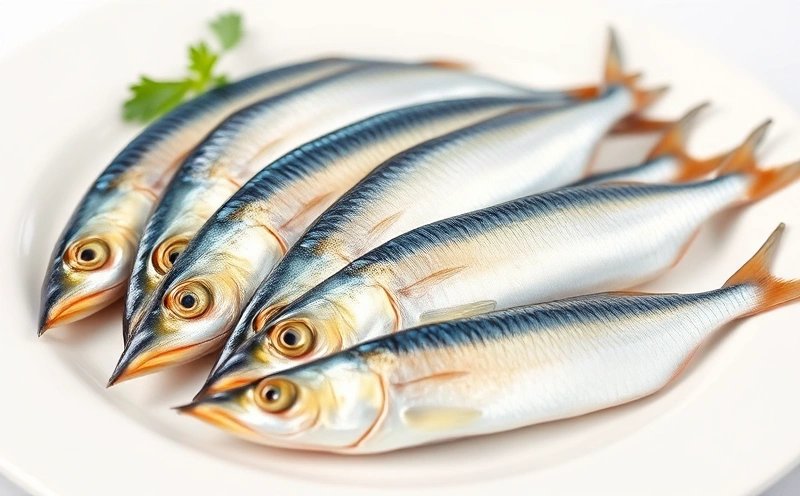
The term ‘sardine’ refers to at least 21 different fish species, not a single one.
Incorporating into Your Diet
Understanding the profound vascular benefits of Omega-3s naturally leads to practical dietary integration. Among the most potent and accessible sources are sardines, small fish packed with essential fatty acids, vitamin D, and calcium. Integrating them regularly offers a straightforward path to bolstering cardiovascular health.
1Selecting and Storing Quality Sardines
Choose sardines canned in olive oil or water with minimal salt. Wild Planet or King Oscar are reliable for quality. For fresh, seek bright eyes and firm, shiny skin. Canned varieties store for years in a cool pantry. Fresh sardines need refrigeration below 4°C (40°F) and consumption within two days.
2Delicious and Simple Recipe Ideas
- Mash sardines with lemon, hot sauce, and parsley for toast.
- Flake into a Mediterranean salad with tomatoes, olives, and vinaigrette.
- Sauté with garlic, chili, white wine, then toss with pasta and dill.
3Addressing Common Misconceptions and Concerns
Canned sardine bones are soft, edible, and provide calcium. Mercury concerns are minimal due to their small size and short lifespan, making them a safe seafood choice. A 3-4 ounce serving offers substantial Omega-3s with negligible risk.
Canned sardines, bones included, provide more calcium per 3.75 oz serving than a glass of milk.
Beyond the Heart: Broader Health Perks
Beyond their well-known cardiovascular benefits, sardines offer a remarkable spectrum of nutrients supporting whole-body health. These small fish deliver a powerful punch of vitamins and minerals often scarce in modern diets, making them a versatile addition.
1Bone Strength and Vitamin D Contribution
A 3.75-ounce can provides about 35% of the Daily Value for calcium, comparable to milk. Crucially, it delivers over 100% of the Daily Value for Vitamin D, essential for calcium absorption and strong bone mineralization, a nutrient many diets lack.
2Brain Health and Cognitive Function
High Omega-3 fatty acids, particularly DHA, are vital for brain development and cognitive function. DHA supports memory, learning, and mood. Significant Vitamin B12 also aids nerve function and may reduce cognitive decline risk.
3A Sustainable and Affordable Superfood Choice
Low on the marine food chain with a short lifespan and rapid reproduction, they are among the most sustainable seafood options. Their affordability, often just a few dollars per can, makes these nutrient-dense powerhouses accessible to many budgets.
Final Thoughts on Sardines
A Small Fish with Big Returns
Sardines clearly offer far more than just a convenient meal; these small fish are a concentrated source of essential nutrients. They deliver significant omega-3 fatty acids like EPA and DHA, alongside a rich array of vitamins and minerals, providing powerful support for the entire body.
Their impact on cardiovascular health stands out, actively lowering triglycerides, reducing inflammation, and balancing cholesterol levels. Beyond heart benefits, sardines contribute vital Vitamin D and calcium for strong bones, plus DHA vital for optimal brain function.
With such a powerful nutritional profile and their simple integration into meals, consider adding sardines to your regular diet. By choosing quality options, you can effortlessly incorporate a powerhouse of health benefits into your plate.
Frequently Asked Questions
1Is eating sardines good for you?
Yes, eating sardines is very good for you. They’re packed with healthy omega-3 fatty acids, protein, calcium, and vitamin D.
2Are sardines high in potassium?
Sardines contain some potassium, but they aren’t considered extremely high in it compared to other foods like bananas or potatoes. They contribute to your daily intake rather than being a primary source.
3How do you eat canned sardines?
You can eat canned sardines straight from the can, often on crackers or toast. They’re also great mixed into salads, pasta dishes, or enjoyed with a squeeze of lemon.
4Are sardines good for cats?
Plain, boneless, and skinless sardines in water can be an occasional treat for cats in small amounts. However, avoid sardines packed in oil, sauces, or with added salt, as these can be unhealthy for them.