
 By Digi Team
On the island of Madagascar, you learn that 90% of its wildlife lives nowhere else on Earth. This astounding uniqueness makes the island a biological wonder. You want to understand its isolated evolution. You will learn how millions of years of isolation shaped these rare creatures. This article reveals the ancient geological forces that created Madagascar’s distinct ecosystems. It helps you grasp its unparalleled natural heritage.
🚀 Key Takeaways
- Madagascar separated from the India-Antarctica landmass around 150 million years ago.
- Lemurs evolved into many distinct species from a single rafting ancestor on the island.
- The eastern coast receives up to 3,500 mm of annual rainfall, creating lush rainforests.
- Approximately 90% of Madagascar’s original forests have vanished due to habitat loss.
- Chameleons evolved into over 100 endemic species by filling empty ecological niches.
Island Evolution: Madagascar’s Ancient Separation
Madagascar offers a unique case study in island biogeography. Its ancient separation from larger landmasses shaped its extraordinary biodiversity. The island broke away from the supercontinent Gondwana millions of years ago. This isolation fostered the evolution of unique endemic species.
1Gondwana’s Legacy: Breaking Away
The island’s geological experience began around 150 million years ago. Madagascar first separated from the India-Antarctica landmass. Then, it rifted from India approximately 88 million years ago.
This continental drift isolated the landmass completely. Its unique geological history underpins its biological distinctiveness.
2Oceanic Barrier: Preventing Gene Flow
Vast ocean expanses surround the island. This deep-water barrier effectively halted terrestrial animal migration. It prevented new species from easily colonizing.
For instance, few mammalian groups successfully crossed this formidable distance. This long-term isolation preserved ancient lineages.
3Adaptive Radiation: New Niches, New Species
Pioneering colonizers faced empty ecological niches. These early arrivals diversified rapidly into many forms. Lemurs, for example, evolved into over 100 species.
Tenrecs also show remarkable diversification across diverse habitats. This process created an unparalleled array of life.
Diverse Habitats Fueling Unique Life
Madagascar’s diverse landscapes directly fuel its unparalleled array of life. This island nation, a biological hotspot, hosts an astonishing range of habitats. This environmental variety drives the evolution of countless endemic species found nowhere else on Earth.
1Rainforests to Spiny Forests: Climatic Zones
Madagascar features an extraordinary spectrum of climatic zones. The eastern coast receives up to 3,500 mm of annual rainfall, creating lush rainforests. These dense canopies support diverse lemurs and chameleons.
However, the western and southern parts endure long dry seasons. These arid conditions give rise to unique spiny forests and dry deciduous woodlands. Specific flora like baobab trees thrive in these contrasting environments.
2Geological Diversity: Mountains and Plateaus
Deep geological history sculpts Madagascar’s varied terrain. The northern Tsaratanana Massif rises to 2,876 meters with Mount Maromokotro. This high altitude creates cooler, cloudier conditions.
The Central Highlands feature extensive plateaus and eroded valleys, often forming ‘lavaka’ gullies. In the west, limestone karst formations like Ankarana’s tsingy create intricate cave systems and jagged pinnacles.
3Microclimates and Niche Specialization
Minute environmental differences foster specific microclimates. Small variations in altitude, moisture, or light create unique niches. These localized conditions drive extreme specialization among organisms.
For example, some frog species live exclusively within specific bromeliad plants. Other reptiles thrive only in particular rock crevices or under precise soil conditions. These adaptations lead to narrow distribution ranges.
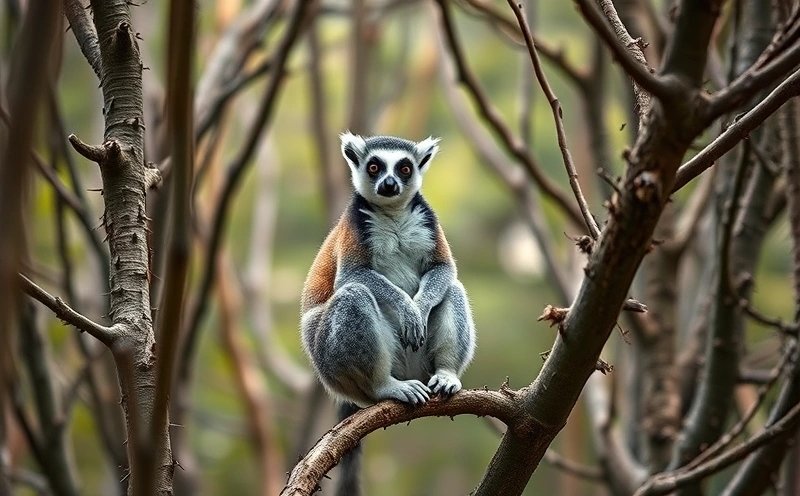
Over 90% of Madagascar’s wildlife is endemic, including all 100+ lemur species found nowhere else.
How Life Diversified on Madagascar
Such strict habitat requirements often confine species to limited territories. This isolation, particularly for early colonizers of Madagascar, fueled an astonishing burst of evolutionary diversification. New populations faced unique selective pressures upon arrival.
1Founder Effects and Genetic Drift
Small founding populations experience genetic bottlenecks and random changes. A few individuals colonize a new area, carrying only a fraction of the ancestral gene pool. Genetic drift then randomly alters gene frequencies within these isolated groups.
Rapid divergence from ancestral populations often follows. The island’s many lemur species, for instance, all descend from a single rafting ancestor. Their distinct genetic profiles developed swiftly in isolation.
2Ecological Opportunity and Niche Filling
Unoccupied ecological niches drive rapid speciation. Colonizers find abundant resources and minimal competition from mainland species. This allows for adaptive radiation into many forms.
Numerous unoccupied roles awaited early colonizers. Chameleons, for example, evolved into over 100 endemic species. They filled niches from forest floor to high canopy, each occupying a distinct microhabitat.
3Co-evolutionary Relationships
Species evolve in tandem, shaping each other’s traits. Close interactions between plants and animals create strong reciprocal selection pressures. This results in highly specialized, interdependent relationships.
Consider the Darwin’s orchid, *Angraecum sesquipedale*. Its exceptionally long nectar spur co-evolved with the hawk moth *Xanthopan morganii praedicta*’s equally long proboscis. Such specialized pairings are common.
Six of the world’s nine baobab species, including the iconic Grandidier’s baobab, are found only in Madagascar.
Protecting ‘s Irreplaceable Biodiversity
Such specialized pairings, common across the island, highlight extreme vulnerability. Protecting Madagascar’s irreplaceable biodiversity now presents an urgent challenge.
1Habitat Loss and Deforestation
Forest destruction stands as the primary threat. Approximately 90% of original forests have vanished. Slash-and-burn agriculture clears vast tracts annually.
Illegal logging fragments critical habitats. This destroys homes for species like ring-tailed lemurs. Precious rosewood and ebony are highly sought after. These pressures continue.
2Climate Change Impacts and Threats
Climate change intensifies environmental stressors. Rising temperatures and altered rainfall patterns threaten species. Southern regions now face prolonged droughts.
Cyclones also increase in frequency and intensity. These events destroy fragile coastal ecosystems. Many unique amphibians and reptiles face direct habitat loss.
3Conservation Efforts and Challenges
Dedicated conservation groups actively protect biodiversity. They establish and manage new protected areas. For example, Masoala National Park safeguards vast rainforests.
Community engagement is crucial for long-term success. However, limited funding and weak enforcement hinder progress. Habitat restoration projects often face significant obstacles.
Final Thoughts on Madagascar
Madagascar’s Urgent Biological Legacy
Madagascar’s ancient separation fostered distinct life forms. Its diverse habitats drove unique evolutionary paths. This isolation created countless endemic species.
Now, deforestation and climate change threaten this irreplaceable biological heritage. Critical habitats are vanishing rapidly. You can support conservation efforts protecting this unique island nation.
Frequently Asked Questions
1Is it safe for US citizens to travel to Madagascar?
It’s generally safe for US citizens to visit Madagascar, though it’s wise to take standard travel precautions as you would in many developing countries. Always check the latest travel advisories from the US State Department before you go.
2What is Madagascar famous for?
Madagascar is most famous for its incredibly unique wildlife, especially its lemurs, which can’t be found anywhere else on Earth. It’s also known for its stunning baobab trees and diverse ecosystems.
3Is Madagascar part of Africa or Asia?
Madagascar is geographically part of Africa, located off its southeastern coast in the Indian Ocean. While it has a very distinct culture and biodiversity, it is considered an African nation.
4Is Madagascar a rich or Poor country?
Madagascar is considered one of the poorest countries in the world, with a significant portion of its population living below the poverty line. Despite its rich natural resources and unique biodiversity, economic development remains a major challenge.