
 By Digi Team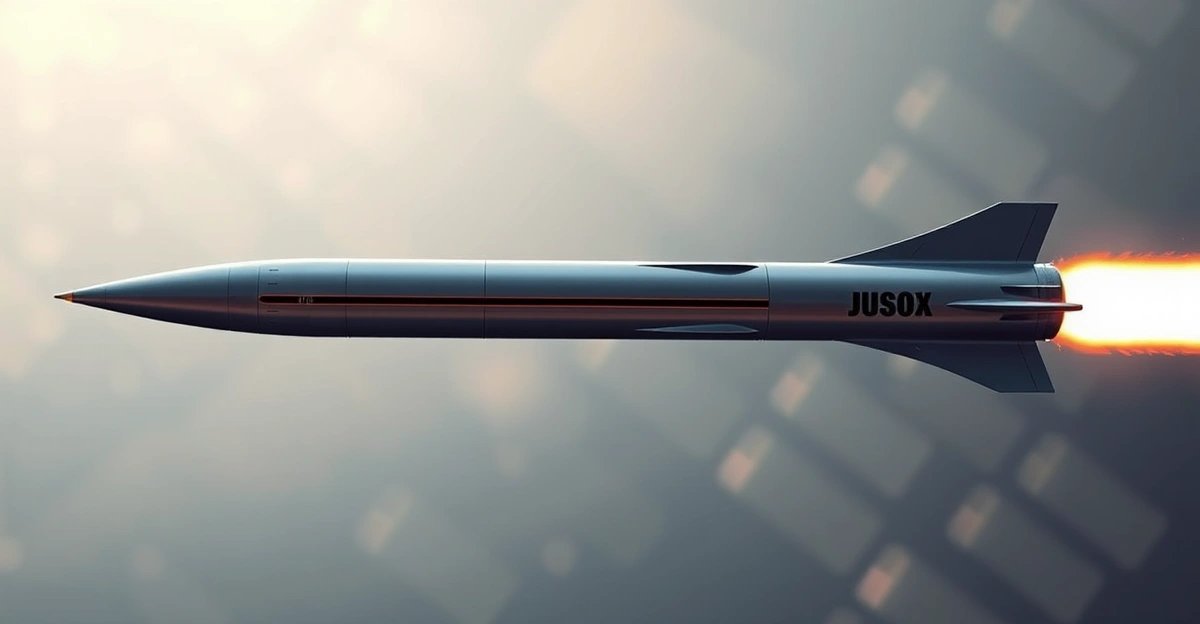
Imagine a missile soaring through the sky at incredible speeds, far beyond what a typical jet can achieve. It’s a true marvel of modern engineering, pushing the boundaries of what’s possible in defense technology. You might be curious about the incredible Brahmos, known as the world’s fastest cruise missile. We’re here to explain what makes it so unique and why it’s such a significant piece of hardware.
🚀 Key Takeaways
- Brahmos is a joint Indo-Russian defense collaboration project.
- It is a supersonic cruise missile, reaching Mach 2.8 to 3.0.
- The missile can strike targets up to 290 km away.
- Brahmos uses a ramjet engine for sustained supersonic cruise.
- It can be launched from land, sea, and air platforms.
Understanding the Brahmos Cruise Missile
The Brahmos cruise missile stands as a powerful symbol of Indo-Russian defense collaboration, representing a significant leap in precision strike capabilities. Its experience involved overcoming complex engineering challenges, resulting in a weapon system renowned for its speed and accuracy.
Origin and Development
A joint venture between India’s DRDO and Russia’s NPO Mashinostroyeniya, the project began in 1998. The goal was to develop a supersonic cruise missile deployable from land, sea, and air, providing a formidable strike option.
Key Characteristics and Performance
Known for its Mach 2.8 to 3.0 speed, the missile can strike targets up to 290 km away, making it one of the fastest globally. It uses an inertial navigation system with active radar homing for terminal guidance, ensuring high accuracy.
Core Design Philosophy
The design prioritizes extreme velocity to minimize target reaction time, coupled with sea-skimming to evade air defenses. Its modular construction allows adaptation across multiple platforms—ships, submarines, aircraft, and land launchers—for operational flexibility.
The Technology Behind Brahmos’ Speed
The extreme velocity of the Brahmos missile isn’t just a design goal; it’s fundamentally driven by sophisticated engineering. Achieving Mach 2.8 to 3.0 demands specialized propulsion and aerodynamic solutions that allow it to outpace conventional air defenses.
Ramjet Propulsion Explained
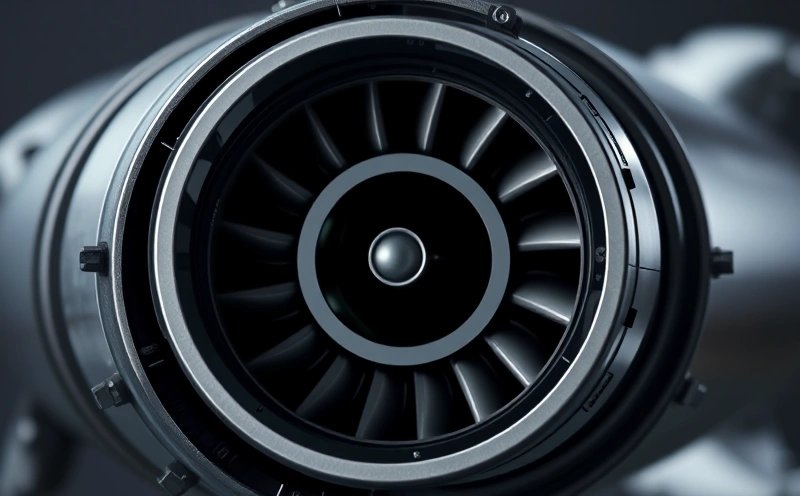
For sustained supersonic cruise, the missile employs a ramjet engine. After an initial solid rocket boost, the ramjet compresses incoming air with forward motion, mixes it with fuel, and ignites. This design avoids heavy turbomachinery, ensuring lighter, efficient high-speed operation.
Supersonic Flight Profile
Maintaining blistering speed, the missile flies a low-altitude, sea-skimming trajectory. This combination of supersonic velocity and minimal altitude drastically reduces enemy radar detection and interception time. Its rapid approach, often mere seconds from detection to impact, is crucial.
Advanced Guidance and Maneuverability
Beyond speed, advanced guidance enhances lethality. An inertial navigation system (INS) with satellite navigation provides mid-course correction. Nearing the target, an active radar seeker offers autonomous terminal guidance. Terminal phase evasive maneuvers make interception exceptionally difficult.
Did you know the BrahMos missile’s ramjet engine has no moving parts besides a fuel pump, enabling its Mach 3.0 speed?
Diverse Variants and Applications
The advanced guidance and evasive capabilities are only part of what makes the brahmos missile system so formidable. Its true strength lies in remarkable adaptability across operational environments, a cornerstone for modern defense.
Land, Sea, and Air Platforms
It launches from diverse platforms: mobile land-based launchers for coastal defense, naval warships (frigates, destroyers), and air-launched variants from Sukhoi-30MKI fighter aircraft, greatly expanding its reach.
Lethality and Accuracy
Combining supersonic speed with high precision, the missile delivers a devastating blow. Its sustained speed and accuracy through complex maneuvers make interception extremely difficult, ensuring high target destruction probability.
Strategic Role in Modern Warfare
Striking with precision from diverse platforms establishes it as a powerful deterrent. It significantly enhances power projection and defense across land and sea, altering strategic calculations.
Did you know BrahMos is the only supersonic cruise missile designed for launch from land, sea, air, and even submarines?
The Future and Global Impact of
Looking ahead, the evolution of the brahmos system will profoundly shape future defense strategies and international relations. Its continued development is poised to extend its operational reach and influence global security dynamics, moving beyond its current formidable role.
Evolving Capabilities and Upgrades
Ongoing enhancements focus on extending its already impressive range and increasing its target discrimination capabilities. Expect to see improvements in counter-countermeasure systems, making it even more resilient in contested environments, alongside further integration with emerging network-centric warfare platforms.
Export Potential and Geopolitical Influence
As nations seek advanced deterrence and precision strike options, its export potential remains significant. Acquisitions by strategic partners could rebalance regional power dynamics, fostering stronger defense alliances and influencing procurement decisions across various blocs.
Next-Generation Developments
Research is already underway for future iterations, exploring concepts like hypersonic speeds, enhanced stealth characteristics, and potentially AI-driven targeting for even greater precision and autonomy. These advancements aim to keep it at the forefront of missile technology for decades to come.
Frequently Asked Questions
Which country has BrahMos missile?
India is the main country that uses the BrahMos missile, which was developed together with Russia. India also plans to export it to other nations.
Is BrahMos the best missile in the world?
It’s hard to say definitively “best,” but BrahMos is certainly one of the most capable and fastest supersonic cruise missiles out there. Its speed, accuracy, and versatility make it very powerful.
Can BrahMos be intercepted?
Intercepting BrahMos is extremely difficult because of its high supersonic speed, low-altitude flight, and advanced dodging abilities. While no missile is completely impossible to stop, BrahMos is designed to be very hard to catch.
Which is the world’s fastest missile?
The BrahMos is one of the fastest supersonic cruise missiles, flying at Mach 2.8 to 3.0. However, newer hypersonic missiles like Russia’s Kinzhal or Zircon are even faster, going beyond Mach 5.
Final Thoughts on Brahmos
The Brahmos missile really shows what’s possible when India and Russia team up on defense. It’s a prime example of overcoming tough engineering hurdles to build something incredibly fast and accurate, thanks to its special ramjet engine and ability to launch from land, sea, or air.
This missile isn’t just powerful now; it’s constantly getting better, with upgrades making it even more effective and harder to counter. Its future development will definitely shape how countries plan their defense, and it’s already making a big mark on global security.
So, next time you hear about advanced defense tech, take a moment to consider the Brahmos. It’s a real important, and it’s worth understanding how it continues to push the boundaries of modern warfare.