
 By Digi Team
You can experience the rapid joy of new life in your aquarium. Successfully hatching neon tetra eggs happens quicker than you might think. With the right setup, you will see tiny fry in just 48 hours. Prepare your tank, then monitor conditions closely. You can achieve this success.
🚀 Key Takeaways
Understanding Neon Tetra Eggs
Successfully breeding neon tetra eggs requires careful attention to detail, from identifying them to meticulously preparing the spawning environment. Understanding these delicate stages is crucial for aquarists aiming to propagate these vibrant fish.
What Do Neon Tetra Eggs Look Like?
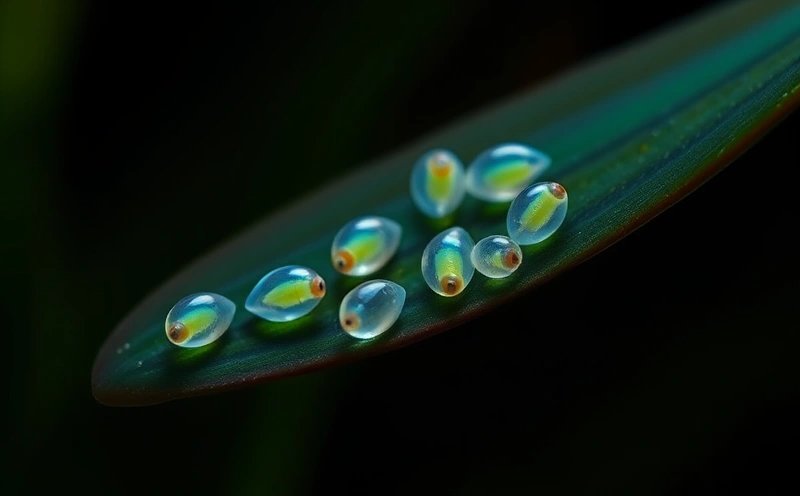
Neon tetra eggs are minuscule, under 1 millimeter, appearing nearly transparent or light amber. They are often barely visible against dark substrates or plant leaves. Healthy, fertilized eggs remain clear; infertile or fungused ones turn opaque white. Their slight adhesiveness helps them stick to fine-leaved plants.
Ideal Spawning Environment Preparation
Prepare a dedicated 5-10 gallon breeding tank with very dim lighting. A bare bottom or marbles prevents parents from consuming eggs. Dense clumps of fine-leaved plants, such as Java Moss (Taxiphyllum barbieri) or spawning mops, are essential for egg deposition. Ensure the tank is cycled and stable.
Key Water Parameters for Breeding
Precise water conditions are vital. Maintain 75-78°F (24-26°C) temperature. The pH should be soft and acidic, ideally 5.5-6.5. Water hardness must be very low, around 1-4 dGH (18-70 ppm). Use reverse osmosis (RO) water blended with a small amount of tap water to achieve these parameters.
Successful Spawning and Egg Collection
Once the breeding pair is acclimated to the specialized soft, acidic water, inducing spawning requires careful attention to environmental triggers. The goal is to encourage the release of viable neon tetra eggs, delicate and susceptible to both predation and fungal infections.
Triggering Successful Neon Tetra Spawning
To initiate spawning, maintain the breeding tank in very dim lighting. Gradually raise water temperature to 78-80°F (25.5-26.7°C) over 24-48 hours. Condition the pair with a diet rich in live foods like microworms, daphnia, or newly hatched brine shrimp for several days. Spawning typically occurs early morning.
Gentle Methods for Egg Collection
Neon tetras are egg-scatterers, depositing tiny, transparent eggs haphazardly. To facilitate collection and prevent eggs from falling into inaccessible areas, place a spawning mop (synthetic yarn), a layer of glass marbles, or a fine mesh screen on the tank bottom. Eggs fall through these substrates for easier retrieval.
Protecting Eggs from Predation
Parents readily consume their own eggs. Immediately after spawning, carefully remove the adult fish. Transfer collected eggs to a separate, smaller hatching container with identical water parameters. Adding a small amount of methylene blue deters fungal growth on infertile eggs.
Neon tetra eggs are so light-sensitive that they require almost complete darkness to properly hatch, unlike many fish eggs.
Nurturing Neon Tetra Eggs to Hatch
After transferring the delicate neon tetra eggs, the critical next phase involves meticulous environmental control. Stable water parameters are paramount; temperature fluctuations or sudden pH shifts can compromise egg viability. The hatching container should replicate the spawning tank’s soft, acidic conditions precisely.
Maintaining Optimal Hatching Conditions
Optimal conditions are non-negotiable. Maintain water temperature consistently between 72-76°F (22-24°C) and pH stable at 5.5-6.5. Provide very dim lighting, or near darkness, as eggs are light-sensitive. Introduce gentle aeration via a small air stone, positioned for minimal current, ensuring oxygenation.
Preventing Fungal Growth in Eggs
Fungal infections pose a significant threat. While methylene blue helps, daily vigilance is key. Inspect eggs each morning; infertile or fungused ones turn opaque white with fuzzy growth. Gently remove compromised eggs using a clean pipette to prevent infection spread. Perform small, careful water changes, siphoning from the bottom without agitating viable eggs.
Monitoring Progress Towards 48-Hour Hatch
Hatching usually occurs within 24 to 48 hours. Observe eggs for subtle changes; fertilized eggs remain clear, infertile ones cloud. Around 48 hours, look for tiny, almost invisible wriggling larvae clinging to the container. A magnifying glass helps spot these minute fry. Minimize vibrations and sudden movements around the container.
A single female neon tetra can lay up to 120 tiny, clear eggs, each only about 1 millimeter in diameter.
From Hatchlings to Free-Swimming Fry
Once your neon tetra eggs hatch, typically within 24-36 hours at 75-78°F, seeing them is the initial challenge. These translucent, 2-3mm specks cling motionless, absorbing their yolk sac for days. Stable water parameters and minimal disturbance are essential.
Recognizing Newly Hatched Neon Tetra Fry
For the first 3-5 days, fry are immobile, subsisting on their yolk sac. They appear as tiny, clear slivers; look for minute black eyes. Once the yolk sac is absorbed, they begin twitching and attempting short swims, becoming free-swimming.
First Foods for Delicate Fry
When fry start free-swimming, they need microscopic food. Infusoria, tiny protozoa, makes an ideal first meal, cultivable from decaying plant matter. Transition to newly hatched brine shrimp nauplii or microworms after about a week, feeding small amounts 3-4 times daily.
Essential Grow-Out Tank Setup
A dedicated 5-10 gallon bare-bottom grow-out aquarium simplifies maintenance. Use a gentle sponge filter for water quality, avoiding strong currents or sucking in fry. Daily small (10-15%) water changes with aged, temperature-matched water keep nitrates low.
Frequently Asked Questions
How long does it take neon tetras to lay eggs?
Once they’re ready to spawn, a pair of neon tetras will typically lay their eggs over several hours during a single spawning session. The whole process usually finishes within a morning.
Where do tetras lay eggs in a tank?
Neon tetras are egg scatterers. They usually drop their tiny, clear eggs among fine-leaved plants like Java moss or a spawning mop, often near the bottom of the tank.
Do neon tetra eggs need to be fertilized?
Yes, neon tetra eggs must be fertilized. The male fish releases his milt (sperm) to fertilize the eggs externally almost immediately after the female lays them.
Do neon tetras reproduce easily?
No, neon tetras are considered quite challenging to breed in a home aquarium. They require very specific water conditions and careful preparation to successfully reproduce.
Final Thoughts on Neon Tetra Eggs
Successfully breeding neon tetras demands precision at every step, from recognizing the tiny, translucent eggs to meticulously preparing a specialized spawning environment. These delicate stages are susceptible to issues like predation and fungal infections, making careful attention to detail essential.
After successful spawning and gentle collection, nurturing these light-sensitive eggs requires consistent water parameters and near darkness. Once hatched, the immobile fry depend on their yolk sac before needing infusoria as their first microscopic food source.
By dedicating time to understanding and implementing these specific environmental triggers, precise water conditions, and careful feeding regimens, you can successfully propagate these vibrant fish in your own aquarium. Following these detailed steps significantly increases your chances of seeing the next generation thrive.