
 By Digi Team
Salmon gives you protein and omega-3 fats in one simple meal. But wild and farmed fish can differ in calories, fat, and key vitamins. This article breaks down those nutrition gaps in plain terms. You also need to think about mercury, a metal that can build up in fish over time. You’ll learn how mercury levels usually compare across sources and what that means for safe serving sizes. By the end, you can choose with more confidence at the store.
🚀 Key Takeaways
- Wild salmon hatch in rivers, grow at sea for 1 to 5 years, then return to spawn.
- Farmed salmon are usually Atlantic salmon raised in pens or tanks and fed prepared pellets.
- A 3-ounce cooked serving of wild sockeye has about 180 calories, 23 grams protein, and 8 grams fat.
- Wild sockeye often provides about 1.0 to 1.5 grams of omega-3s per 3 ounces.
- Most salmon test near 0.01 to 0.05 ppm mercury, far below swordfish around 1.0 ppm.
Defining Wild and Farmed Salmon
Wild and farmed salmon come from very different places, and that shapes how they look, taste, and grow. Wild fish roam open water and chase prey. Farm-raised fish live in pens and eat prepared feed. Those basics sound simple, but the details matter when you compare color, fat level, and even the texture on your plate.
1What is Wild Salmon?
Wild salmon hatch in rivers, then swim out to sea to grow. After 1 to 5 years, many return to their home river to spawn.
In Alaska, for example, sockeye run up the Bristol Bay watershed each summer. These fish spend their days moving and hunting, which keeps their flesh firm.
2What is Farmed Salmon?
Farmed salmon grow in ocean net pens or large tanks. Producers raise most as Atlantic salmon because it handles captivity well.
Fish farmers feed pellets made from fish meal, plant proteins, and added oils. They also track oxygen, water flow, and crowding to reduce stress and disease.
3Key Differences in Habitat and Diet
Habitat changes daily life for the fish. Wild fish cover miles, while penned fish circle in a smaller space. That difference affects muscle and fat.
Diet creates clear, measurable changes too. Wild fish eat what they catch, so the menu shifts by season and place. Farmed fish get the same feed each day, so results stay steady.
- Wild diet: herring, sand lance, krill, and squid, depending on the region.
- Farm diet: pellet feed with set protein and oil levels.
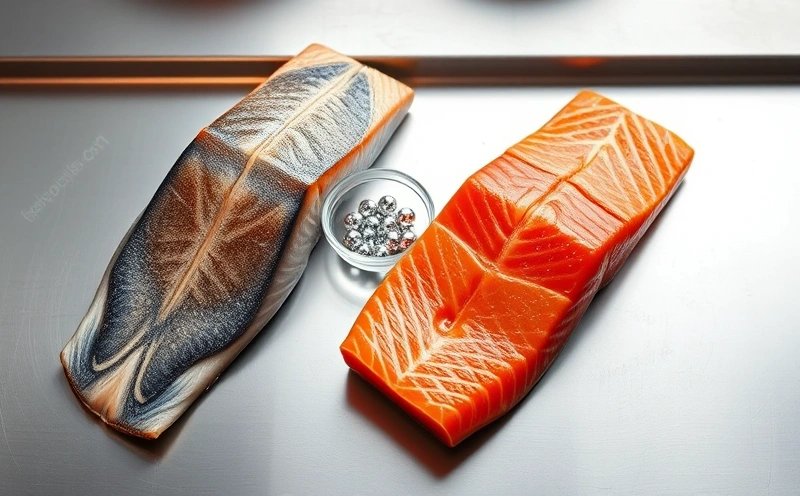
- Color: wild fish get natural red-orange from krill; farms often add astaxanthin, a color pigment, to feed.
Nutritional Profile of Wild Salmon
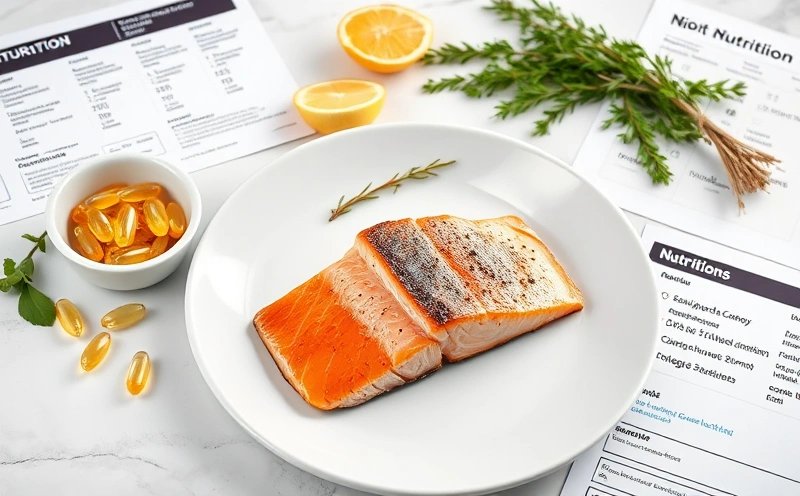
Wild salmon brings a different nutrient mix than farmed fish. A 3-ounce cooked serving of sockeye has about 180 calories, 23 grams of protein, and 8 grams of fat.
Because wild fish eat smaller sea life, their fat and vitamin levels can shift by season. However, the numbers stay strong enough to matter at the dinner table.
1Richness in Omega-3 Fatty Acids
Omega-3s help your heart, brain, and eyes work well. In a 3-ounce serving, wild sockeye often gives about 1.0 to 1.5 grams of omega-3s.
These fats include EPA and DHA, which are omega-3 types your body uses right away. For example, cooked coho usually lands near 0.8 to 1.2 grams per 3 ounces.
Wild fish also keeps its fat lower than many farmed fillets, so you get a higher share of omega-3s per calorie. Even so, the exact amount changes with species and time of year.
2Protein Content and Essential Vitamins
Wild fish offers high-quality protein that helps build and repair muscle. Most wild varieties give 20 to 25 grams of protein in 3 cooked ounces.
It also carries key vitamins that support daily health. For example, many servings deliver:
- Vitamin D: about 400 to 600 IU per 3 ounces in sockeye
- Vitamin B12: often over 100% of a day’s needs
- Niacin (B3): around 40% to 60% of a day’s needs
These vitamins help nerves, blood cells, and energy use. Also, vitamin D supports bones and immune defense.
3Minerals and Antioxidant Benefits
Wild fish supplies minerals your body can’t make. A 3-ounce serving often provides about 300 to 400 mg of potassium.
You also get selenium, which helps protect cells from damage. Many portions give roughly 40 to 55 micrograms, close to a full day’s target.
The natural red color signals astaxanthin, an antioxidant that helps limit cell stress. In fact, sockeye tends to show more of it than paler species.
Nutritional Profile of Farmed
Farmed salmon gets its nutrients from feed, not from chasing wild prey. That diet shapes the fish’s fat, color, and vitamin levels. Producers also fine-tune feed to hit goals like faster growth or higher omega-3s.
1Feed’s Influence on Nutrient Levels
Pellets set the menu for farmed fish. Most feeds mix fish meal and fish oil with plant oils like canola. They also add grains and soy for protein and energy.
These choices change the fillet you eat. When farms use more plant oil, the fish usually ends up with more omega-6 fats. When farms use more fish oil, the fillet holds more EPA and DHA, the main omega-3s.
2Variations in Omega-3 Content
Omega-3 levels can swing a lot from one brand to the next. A 3.5-ounce serving often lands between 1.5 and 2.5 grams of EPA plus DHA. Wild sockeye can sit near 1.0 to 1.5 grams in the same size.
Fat level drives part of that gap. Farmed fish often carries 10 to 15 grams of total fat per 3.5 ounces. Leaner wild fish may have 4 to 8 grams. However, a fattier fillet also means more calories.
3Other Essential Nutrients and Additives
Farmed fish still brings key nutrients to the plate. Many servings give about 20 to 25 grams of protein per 3.5 ounces. You also get vitamin B12, selenium, and iodine in useful amounts.
Farms often add color to feed. They use astaxanthin, the same red-orange pigment found in krill. Some feeds also include vitamin E to slow fat spoilage, and extra vitamins like D.
- Protein: about 20–25 grams per 3.5 ounces
- Vitamin B12: often over 100% of a daily goal
- Selenium: roughly 30–40 micrograms per serving
💡 Did You Know? Did you know a migrating salmon can smell one part per billion of its home-stream chemicals—about one drop in 250,000 gallons—helping it return to the same river?
Mercury Levels: Wild vs. Farmed
Mercury levels in salmon stay low compared with many other fish. Mercury is a metal that can harm the brain in large amounts. Most salmon test near 0.01 to 0.05 parts per million (ppm). That range sits far below bigger predators like swordfish, which often hit 1.0 ppm.
Still, “wild” and “farmed” labels do not guarantee the same number. Mercury depends on what the fish eats and where it lives. Testing data from the U.S. FDA and other labs show clear patterns, and you can use them to pick wisely.
1How Mercury Accumulates in Fish
Fish pick up mercury mainly through food, not through water. Tiny organisms absorb mercury, then small fish eat them. Larger fish then eat the smaller fish.
This step-up effect is called bioaccumulation, meaning the metal builds up over time. It grows even more through biomagnification, meaning each higher level in the food chain carries more. Older, larger, and meat-eating fish usually hold the most.
2Comparing Mercury Across Salmon Species
Most salmon species rank as “low mercury” in U.S. health charts. For example, the FDA lists salmon at about 0.022 ppm on average.
Wild sockeye and pink tend to stay very low. Chinook (king) often runs a bit higher because it grows larger and lives longer. Farmed Atlantic usually stays low too, since farms feed controlled pellets instead of wild prey.
3Safety Guidelines for Consumption
Use simple serving rules to keep risk low. A standard adult serving equals about 4 ounces cooked.
Follow these practical targets:
- Most adults: 2 servings per week
- Pregnant people: 2 to 3 servings per week of low-mercury fish
- Kids: 1 to 2 servings per week, using smaller portions
Also rotate seafood types, since mercury adds up from all sources. If you eat tuna often, cut back that week.
Other Contaminants and Health Concerns
Mercury isn’t the only thing to watch with salmon. Some risks come from water pollution and fish farming choices. The good news: you can lower them with smart shopping and simple prep.
1PCBs and Dioxins in Salmon
PCBs and dioxins are toxic chemicals that can build up in animal fat. They come from old industrial pollution and can linger for decades.
In 2023, the FDA said PCBs in foods dropped a lot since the 1970s. Still, fattier fish can carry more than lean fish. Trim belly fat and skin before cooking. Then bake or grill so fat drips off. That cuts some of the chemicals stored in fat.
2Antibiotic Use in Aquaculture
Fish farms sometimes use antibiotics to stop disease from spreading. Overuse can help create drug-resistant germs, which makes infections harder to treat.
In the U.S., farms must follow strict rules for any drug use. However, standards vary by country. Look for clear labels such as “raised without antibiotics” or third-party audits. Also avoid fish with a strong chemical smell, since that can signal poor handling.
3Pesticides and Artificial Dyes
Farmed fish can pick up pesticide residues from feed ingredients. Wild fish can carry residues too, but sources differ by region.
Color also causes confusion. Many farms add astaxanthin to feed to make the flesh pink. Astaxanthin is a pigment found in shrimp and krill. Regulators set limits on these feed additives. If you want fewer extras, choose fish labeled “no added color” and focus on these buying cues:
- Firm flesh that springs back when pressed
- Clean ocean smell, not sour or “fishy”
- Clear packaging dates and cold storage
💡 Did You Know? Did you know some sockeye salmon in Alaska’s Wood River swim over 1,200 miles inland from Bristol Bay to spawn, then die within weeks after breeding?
Making Informed Choices About
Smart shopping for salmon starts with quick checks you can do in seconds. Use the package facts, the sell-by date, and the storage temp to guide you. However, don’t stop there. Ask how it was raised or caught, and choose the option that fits your health needs and budget.
1Reading Labels and Certifications
Labels tell you what the fish went through before it hit the case. Look for “wild-caught” or “farm-raised,” plus the country of origin. Also check “previously frozen,” which often means it thawed in the store.
Some stamps help you sort good claims from empty ones. Use these as a quick filter, then ask the fish counter for details.
- MSC (Marine Stewardship Council): standards for well-managed wild fisheries
- ASC (Aquaculture Stewardship Council): stricter rules for fish farming
- “Antibiotic-free”: the farm says it did not use antibiotics during growing
2Balancing Health Benefits and Risks
Fish gives you omega-3 fats, which support heart health. A 3-ounce cooked serving often has 17–22 grams of protein. It also brings vitamin D and selenium, a mineral your body uses for basic cell work.
However, you still need to weigh contaminants. Most common choices stay low in mercury, but smoke-cured options can run high in sodium. For example, 2 ounces of smoked fish can have 600–900 mg sodium, close to half a 2,300 mg daily limit.
3Recommendations for Different Populations
Pregnant people and kids need the safest picks. Choose low-mercury fish and keep portions steady. Also heat it fully; skip raw dishes like sushi during pregnancy.
Use these simple targets for weekly meals:
- Pregnant or breastfeeding: 2–3 servings, 4 ounces each, cooked
- Kids ages 4–7: 2 servings, 2 ounces each
- Adults with high blood pressure: choose fresh over smoked, and season at home
Sustainability and Environmental Impact
Sustainability choices matter when you buy salmon, because fishing and farming can hurt rivers and oceans. Smart rules help keep fish runs strong and protect the animals that share the water. Look for clear labels, ask where it came from, and keep portion sizes steady so demand stays reasonable.
However, “sustainable” should mean real results you can measure. Think about three basics: how many fish get taken, what happens to other wildlife, and how clean the water stays.
- Catch limits that match yearly fish counts
- Low bycatch, which means fewer unwanted fish caught
- Clean shorelines and healthy river habitat
1Wild Salmon Conservation Efforts
Wild fisheries stay healthy when managers set hard limits and enforce them. Alaska uses real-time counts at weirs, which are fish gates that track runs. The state can close a river fast when numbers drop.
In the Pacific Northwest, groups remove old dams and fix culverts, which are pipes under roads. For example, Washington replaced the Barrier Correction culverts to reopen miles of stream. Also, crews add shade trees along banks to cool water in summer.
2Farmed Salmon Aquaculture Practices
Fish farms can cut pressure on wild runs, but only with strong rules. Good farms test water weekly and keep nets clean to reduce waste buildup. They also use vaccines to cut antibiotic use.
Sea lice can spread from pens to young fish that swim past. In fact, some farms use “cleaner fish,” like wrasse, to eat lice. Others switch to closed-containment tanks, which keep fish in sealed systems on land.
3Future of Sustainable Salmon Production
Better tracking can tighten up both fishing and farming. Some boats already log catches by tablet, then report them the same day. That helps managers adjust limits before runs crash.
On farms, feeds keep changing. Producers replace more fish oil with algae oil and plant proteins. Also, new breeding lines aim for faster growth with less feed. These steps can lower pollution and protect wild stocks.
Pick Salmon With Your Plate—and the Water—in Mind
Wild salmon tends to be leaner, while farm-raised fish often has more fat from its feed. Both usually stay low in mercury, around 0.01 to 0.05 ppm.
Labels can tell you if a fillet was wild-caught or farm-raised, and where it came from. Check the package for origin and certifications before you buy.
Frequently Asked Questions
1What is the tastiest way to cook salmon?
Many people find pan-searing until the skin is crispy and the inside is flaky to be incredibly delicious. Baking or grilling also works wonderfully, often coming down to personal preference for flavor and texture.
2Does all salmon release albumin?
Yes, all salmon contains albumin, which is a natural protein that can appear as white “stuff” when cooked. It’s harmless and simply means the protein is coagulating from the heat.
3Does salmon lower A1C?
Salmon is a healthy food, rich in omega-3s and protein, which can be part of a diet that helps manage blood sugar. While it doesn’t directly lower A1C on its own, eating it regularly as part of a balanced diet can support overall metabolic health.
4Is salmon ok for acid reflux?
Yes, salmon is generally a good choice for acid reflux as it’s a lean protein with healthy fats. Just make sure to bake, grill, or poach it instead of frying, which can sometimes trigger symptoms.