
 By Digi Team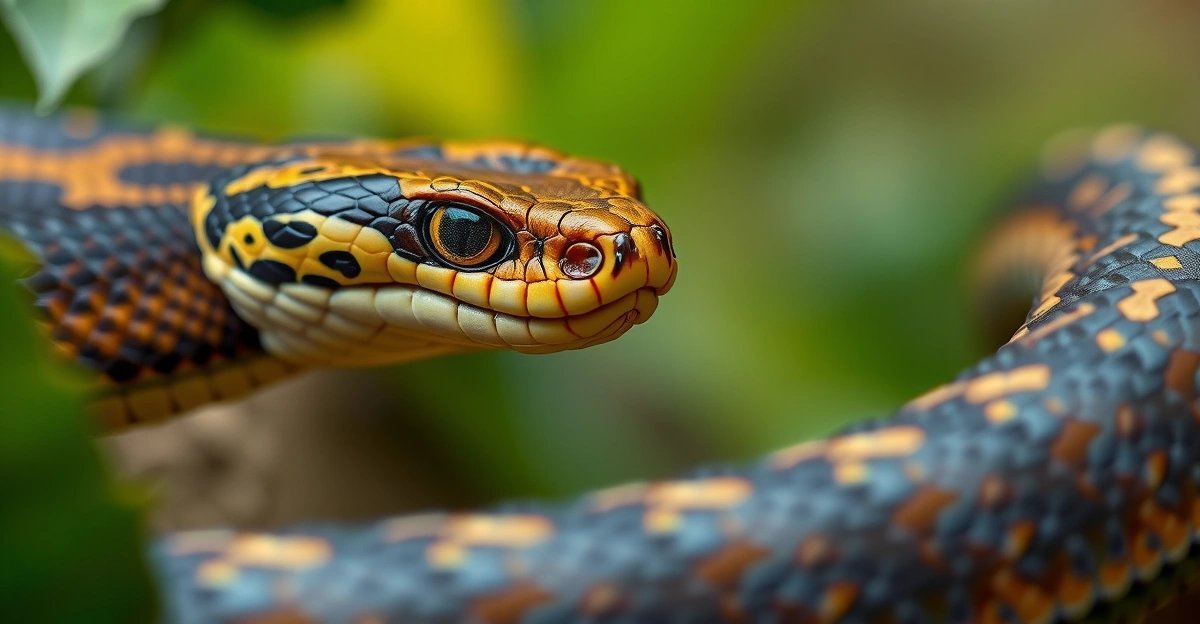
The inland taipan is recognized as the most venomous snake in the world. Its bite can deliver enough poison to kill several adult humans in just hours.
<pThis article will discuss the characteristics, habitat, and behavior of the inland taipan. You'll learn why this snake is both fascinating and important in its ecosystem.
🚀 Key Takeaways
- The inland taipan can grow up to 2.5 meters long, making it one of the largest venomous snakes.
- It produces extremely potent neurotoxins, with enough venom in one bite to kill several adult humans.
- The inland taipan primarily inhabits dry, arid regions of Australia, including rocky areas and clay plains.
- Females lay up to 20 eggs during the warmer months, and the eggs hatch after about 60 days.
- Conservation efforts are crucial as inland taipan populations are declining due to habitat loss and climate change.
Unveiling the Inland Taipan: Basic Facts
1Physical Characteristics and Appearance
The inland taipan is known for its striking appearance. It has smooth, shiny scales that can vary in color from light brown to dark olive. This snake can grow up to 2.5 meters long, making it one of the largest venomous snakes in the world. Its body is slender and features a distinct triangular head.
This snake’s eyes are small and black, giving it excellent vision. The inland taipan’s fangs are long, allowing it to inject venom deeply into its prey. This venom is extremely potent and helps it catch food quickly.
2Native Habitat and Range
The inland taipan primarily lives in Australia. It prefers dry, arid regions where it can find plenty of hiding spots. Its habitat includes rocky areas, grasslands, and clay plains. These environments provide cover from predators and help it hunt.
You can find the inland taipan mainly in the southwestern part of Queensland. It rarely travels far from its burrow, which protects it from the heat.
3Diet and Hunting Habits
The inland taipan mainly eats small mammals, such as rats and mice. It uses its sharp fangs to deliver a quick bite, injecting venom to immobilize its prey. This snake is a stealthy hunter, often waiting patiently to strike.
After catching its meal, the inland taipan swallows it whole. This snake can consume prey up to the size of a small rabbit. It usually hunts during the day when its prey is most active.
The Potency of Taipan Venom
1Understanding Its Unique Neurotoxins
The inland taipan produces some of the most potent neurotoxins found in nature. These toxins affect the nervous system, causing paralysis and disrupting normal bodily functions. The venom contains proteins that can target and damage nerve cells effectively. Just a single bite can release enough venom to kill several adult humans.
Scientists continue to study these toxins to better understand their effects. For instance, they investigate how the venom immobilizes prey so quickly. This research can also lead to advancements in medicine, particularly in pain management.
2Effects of a Bite on Humans
A bite from an inland taipan can be deadly without prompt medical treatment. Initial symptoms may include severe pain, swelling, and nausea. In some cases, victims experience muscle weakness and difficulty breathing.
If left untreated, the venom can lead to paralysis and even death within hours. However, fatalities are rare due to the availability of antivenom and improved medical care. Awareness of the symptoms can save lives.
3Immediate First Aid and Antivenom
If someone is bitten by an inland taipan, immediate first aid is crucial. Keep the person calm and still to slow the spread of venom. Immobilize the affected limb with a splint and apply a bandage to reduce swelling.
Seek emergency medical help right away. Antivenom is the most effective treatment for a taipan bite. It works by neutralizing the venom in the body, significantly increasing the chances of survival. Always be prepared and aware of your surroundings in areas where these snakes live.
💡 Did You Know? The inland taipan’s venom is so potent that one bite can kill up to 100 adult humans in under an hour.
Inland Taipan Behavior and Lifestyle
1Elusive Nature and Nocturnal Habits
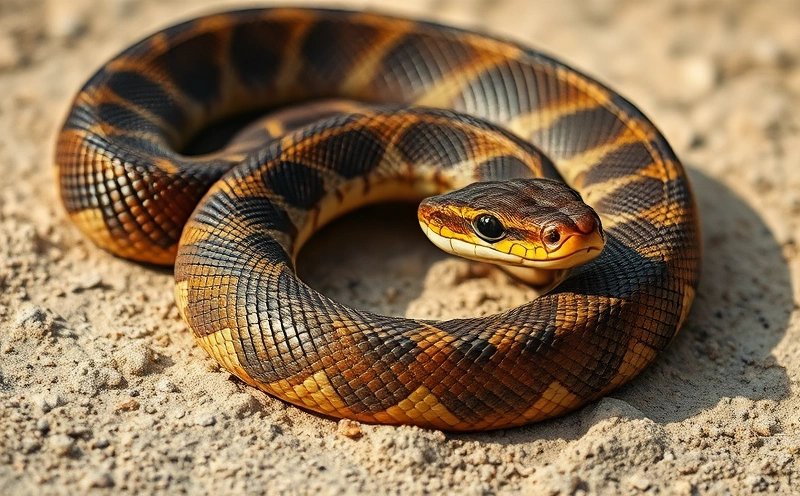
The inland taipan is known for its secretive behavior. These snakes prefer to stay hidden, using their natural camouflage to blend into their surroundings. They are mostly active at night, which makes them nocturnal. During the day, they hide in burrows or under rocks to escape the heat. This behavior helps them hunt for small mammals, their main food source.
Because they are rarely seen, many people underestimate their presence. However, they play an important role in their ecosystem as predators. By keeping the population of rodents in check, they help maintain balance in their habitat.
2Reproduction and Lifecycle
The inland taipan has a unique reproductive cycle. Females lay eggs during the warmer months, usually between October and December. A single clutch can contain up to 20 eggs. After about 60 days, the eggs hatch, and tiny snakes emerge. They are independent from birth and must fend for themselves.
The young snakes grow quickly, reaching maturity in about two years. This rapid growth ensures that they can reproduce before facing the dangers of the wild.
3Dispelling Common Myths About Aggression
Many people think the inland taipan is aggressive. In reality, these snakes are quite shy. They prefer to avoid confrontation and will only strike when threatened. Their venom is extremely potent, but they rarely bite unless provoked.
Understanding their behavior is crucial for safety. Instead of seeking out human interaction, they usually flee when they sense danger. This makes them less of a threat than many believe.
Conservation and Human Coexistence
1Conservation Status and Threats
The inland taipan, known as the world’s most venomous snake, faces several threats. Habitat loss from agriculture and urban development reduces their living space. Additionally, climate change impacts their environment, making it harder for them to thrive. Conservation efforts focus on protecting their natural habitats and raising awareness about their importance.
In fact, populations of inland taipans are declining, which is concerning for biodiversity. Local governments and organizations are working to create protected areas to help maintain their population levels.
2Safety Precautions in Taipan Territory
Staying safe in areas where inland taipans live is crucial. People should wear boots and long pants when hiking in the bush. It’s also important to stay alert and avoid reaching into hidden spaces, like under rocks or logs, where snakes might hide.
If you encounter an inland taipan, back away slowly and give it space. Most snakes want to avoid humans, but it’s wise to be cautious and respect their territory.
3Role in the Ecosystem
Inland taipans play a vital role in their ecosystem. They help control populations of rodents and other small animals. By keeping these numbers in check, they support the balance of their environment.
Healthy populations of inland taipans indicate a well-functioning ecosystem. Protecting them ensures that other wildlife and plants can thrive alongside them. This balance is essential for maintaining biodiversity in their native habitats.
Understanding the Inland Taipan: A Vital Predator
The inland taipan is not just the world’s most venomous snake; it plays a crucial role in controlling rodent populations. With its potent venom and elusive nature, this snake remains largely hidden from human sight, which can lead to misunderstandings about its presence in the ecosystem.
As their habitats face threats from development and climate change, conservation efforts are essential for their survival. Stay informed about safety in taipan territory and support initiatives that protect these unique creatures and their environment.
Frequently Asked Questions
1Can a human survive an inland taipan bite?
Yes, a human can survive an inland taipan bite, but only with immediate medical attention and antivenom. Without treatment, its bite is almost always fatal.
2What is the #1 most venomous snake in the world?
The inland taipan is widely considered the most venomous snake in the world. Its venom is incredibly potent, making it number one on many toxicity lists.
3Which is deadlier, black mamba or taipan?
The inland taipan’s venom is deadlier than a black mamba’s in terms of pure toxicity. However, black mambas are responsible for more human deaths because they are more common and aggressive.
4Are there still taipans today?
Yes, taipans are still very much around today. They live in central east Australia, though they are rarely encountered by humans.