
 By Digi Team
 Global security can feel like a really complex puzzle, right? You often hear about new defense systems. It can be tough to understand their real impact. One such system, the Thaad shield, is often in the news. What does its deployment truly mean for you and global stability?
🚀 Key Takeaways
- The THAAD system intercepts short, medium, and intermediate-range ballistic missiles in their final phase.
- THAAD is a “hit-to-kill” system that uses kinetic energy for direct impact, not an explosive warhead.
- Key THAAD components include a launcher that holds up to eight interceptors and an AN/TPY-2 X-band radar.
- THAAD serves as a powerful deterrent and strengthens alliances by providing a crucial layer of defense for partner nations.
- The deployment of THAAD, particularly in East Asia, has caused significant geopolitical tensions and rivalry with China.
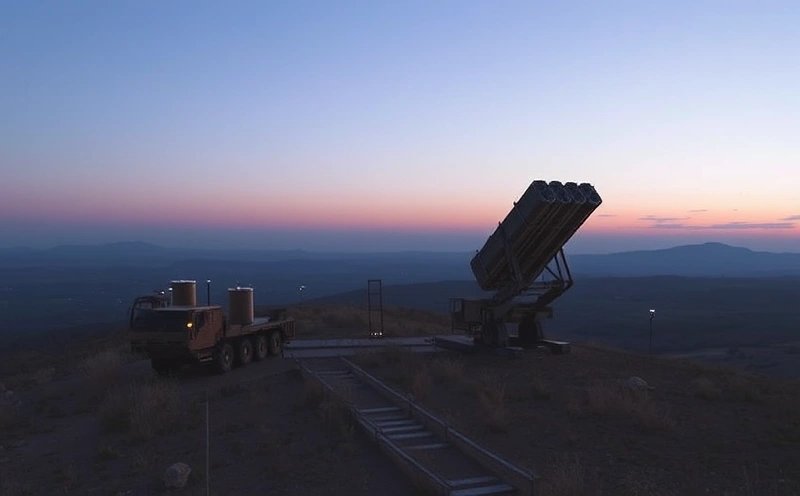
- Launcher: Holds up to eight interceptors ready for rapid deployment.
- Interceptor: The “hit-to-kill” missile, designed for direct impact.
- Radar (AN/TPY-2): A powerful X-band radar for detection, tracking, and discrimination.
- Fire Control: The command and control system managing engagements and communications.
What is the THAAD Shield?
The Terminal High Altitude Area Defense (THAAD) system is a ground-based missile defense designed to intercept and destroy short, medium, and intermediate-range ballistic missiles in their terminal phase. This advanced thaad shield provides critical upper-tier protection for troops, allies, and populated areas. It’s a “hit-to-kill” system, relying on kinetic energy rather than an explosive warhead to neutralize threats.
System Basics: How It Works
Upon missile detection, THAAD’s radar tracks the target. An interceptor missile is then launched, using its own guidance to directly impact and destroy the incoming threat through sheer kinetic force, minimizing ground damage.
Key Components and Capabilities
THAAD includes several integrated elements that work in concert:
Defense Against Ballistic Missiles
THAAD primarily defends against ballistic missiles during their terminal descent. Its high-altitude interception capability is crucial for protecting large geographical areas, serving as a vital layer in a multi-layered missile defense architecture.
Strategic Role in Regional Security
Beyond its technical interception capabilities, THAAD holds significant strategic importance for regional security. This sophisticated thaad shield provides a strong defense for both domestic assets and key allies facing ballistic missile threats. Its deployment often reinforces a commitment to collective defense, boosting the confidence of partner nations and fostering a more stable security environment.
Protecting Allies from Threats
Deploying THAAD offers a crucial layer of defense for allied nations, especially those in volatile regions. It provides a tangible means to counter ballistic missile threats, safeguarding their populations and critical infrastructure. This capability strengthens alliances and reassures partners, building a shared defense posture against common adversaries.
Deterrence and Stability Dynamics
The mere presence of a THAAD system serves as a powerful deterrent. Knowing that such a sophisticated defense can neutralize missile attacks makes potential aggressors reconsider their actions, thereby enhancing regional stability. This defensive capability allows allies to maintain a stronger posture and reduces the chance of conflicts escalating from missile threats.
THAAD intercepts ballistic missiles using kinetic energy (hit-to-kill), not an explosive warhead.
Geopolitical Tensions Around THAAD
While the THAAD system is touted for its defensive advantages, its deployment, especially the thaad shield, has undeniably ignited significant geopolitical tensions across East Asia. Far from being a simple protective measure, its strategic implications draw sharp reactions from neighboring powers who perceive its presence as a direct challenge to regional security dynamics.
US-China Strategic Rivalry
China strongly opposes THAAD’s presence in South Korea. Beijing perceives its powerful radar as a tool for monitoring its own military, not solely for North Korean defense, thus intensifying US-China strategic rivalry.
Regional Arms Race Concerns
The deployment also sparks fears of an escalating regional arms race. Nations feeling threatened by THAAD might enhance their offensive missile programs or develop countermeasures, potentially destabilizing the delicate balance of power.
International Legal Perspectives
Debates arise concerning THAAD’s international legal implications. While host nations assert their right to self-defense, opposing states argue such deployments, if perceived as aggressive, could challenge international peace and security.
Its powerful AN/TPY-2 radar detects incoming missile threats hundreds of miles away.
The Future of Missile Defense
Beyond the legal quagmires, the practical imperative for strong missile defense systems remains a critical concern for nations globally. The continued development of advanced ballistic missiles by various actors necessitates a vigilant approach to protecting national interests, often relying on proven capabilities like the THAAD shield.
Evolving Threats and Technology
The landscape of missile warfare is in constant flux. Adversaries are not only improving the range and accuracy of their existing arsenals but also developing novel threats such as hypersonic glide vehicles and more maneuverable re-entry vehicles. This technological arms race demands continuous innovation in detection, tracking, and interception capabilities, pushing the boundaries of current defense systems.
Diplomacy Versus Defense
Striking a balance between deploying defensive measures and pursuing diplomatic resolutions is a perpetual challenge. While missile defense provides a tangible deterrent and protective layer, it can also be perceived as escalatory, complicating international relations. Effective future strategies will likely involve a blend of strong defensive postures coupled with sustained, proactive diplomatic efforts to de-escalate tensions and prevent proliferation.
Frequently Asked Questions
How many THAAD systems does the US have?
The US military currently operates eight THAAD systems. One is based in Guam, with the others available for deployment as needed.
How much does one THAAD missile cost?
A single THAAD interceptor missile is quite expensive, estimated to cost between $9 million and $12 million. This is just for one missile, not the entire system.
Can THAAD intercept a hypersonic missile?
No, THAAD is not designed to intercept hypersonic missiles. These new missiles fly much faster and can maneuver in ways that THAAD cannot currently counter.
Which country has the best Iron Dome?
The “Iron Dome” is a specific air defense system developed and used by Israel. It’s highly effective for its purpose of intercepting short-range rockets and artillery shells.
Final Thoughts on Thaad Shield
The THAAD shield is a powerful defense system, designed to stop incoming ballistic missiles with a direct hit. It offers crucial protection for troops and allies, strengthening security in volatile regions.
But this advanced shield isn’t just about defense; its deployment sparks serious geopolitical tensions, especially with China. Still, with missile threats constantly changing, the need for strong systems like THAAD remains clear.
Understanding the THAAD shield means looking at both its protective power and its complex impact on global relations. So, as these defense technologies continue to develop, it’s important for you to stay informed about their far-reaching effects on our world.