
 By Digi Team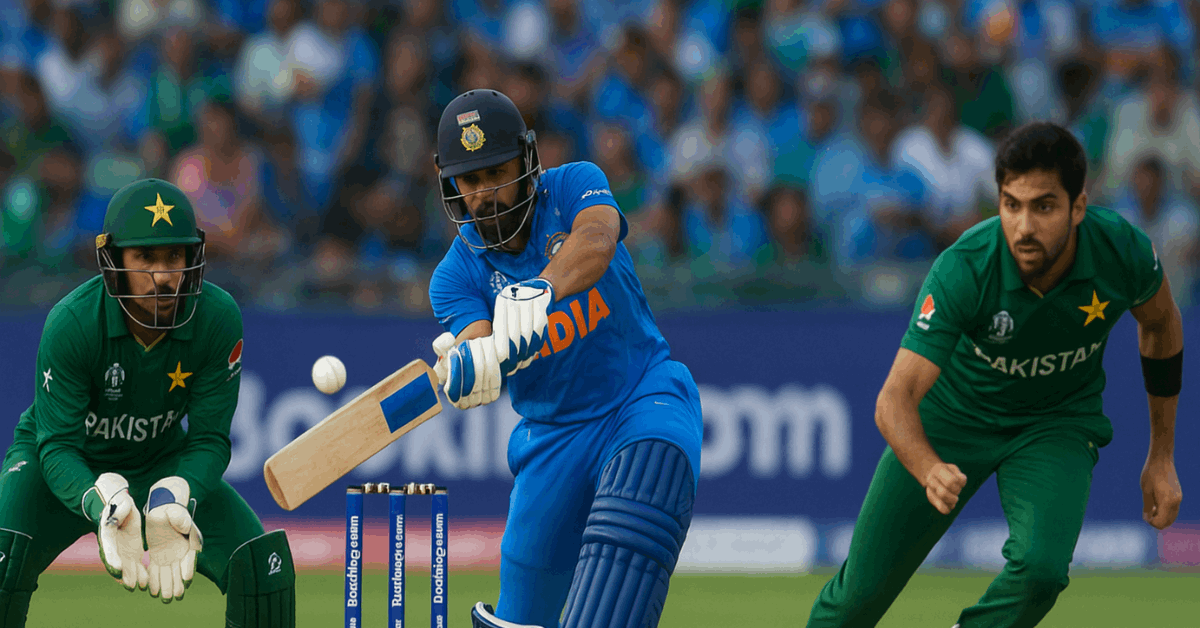
The India–Pakistan cricket rivalry has always carried more weight than just sports—it reflects history, politics, and national pride. But after the latest Asia Cup clash, the spotlight wasn’t only on the result of the game. Instead, a storm brewed over what didn’t happen: Indian players skipped the customary handshake with their Pakistani counterparts. This has sparked fresh debates about an “invisible boycott” by the Board of Control for Cricket in India (BCCI) and the future of sporting relations between the two nations.
What Happened After the Match?
At the end of the high-pressure match, fans expected the traditional handshake—a symbol of respect and sportsmanship. Instead, Indian players walked away without shaking hands with Pakistan’s cricketers. The unusual move quickly became a trending topic, fueling speculation and criticism.
Pakistan’s Strong Reaction
The Pakistan Cricket Board (PCB) lodged a formal protest, calling the act “unsporting” and damaging to the spirit of cricket. Team officials stressed that, regardless of politics, players are representatives of the game and should set an example of respect. Former Pakistan players also voiced their anger, arguing that the gesture—or lack of it—tarnished the image of the sport.
India’s Silence and the “Invisible Boycott”
So far, the BCCI and Indian team management have not released an official explanation. However, India’s long-standing policy of avoiding bilateral cricket with Pakistan is well known. This unwritten rule, often referred to as an “invisible boycott,” means the two teams only face off in ICC and Asia Cup tournaments, never in friendly bilateral series.
Spirit of Sportsmanship Lost?
For many fans, the absence of a handshake was not just about etiquette—it symbolized the deep political divide between the two nations. Handshakes are more than tradition; they show mutual respect, even in fierce competition. By skipping it, India sent a message that politics still overshadows cricket.
What Fans Are Saying
Social media erupted immediately. Some Indian fans defended the move, saying it reflected India’s strong political stance. Others criticized it, arguing that cricket should remain above politics. Pakistani fans, on the other hand, expressed outrage, calling it disrespectful and harmful to the game’s spirit.
The Bigger Picture
India–Pakistan cricket has always been caught between politics and sport. While individual players often share mutual respect off the field, administrative and political pressures shape what happens on it. The handshake controversy is just the latest reminder that, for these two nations, cricket is never just cricket.
FAQs
Q1: Why didn’t Indian players shake hands with Pakistan players?
Reports suggest it was due to political pressure and board-level instructions rather than personal dislike.
Q2: What does “invisible boycott” by BCCI mean?
It refers to India’s unwritten policy of avoiding bilateral cricket with Pakistan, without an official ban in place.
Q3: Did Pakistan officially complain?
Yes, the PCB lodged a formal protest against India’s actions, calling it “unsporting.”
Q4: How did fans react?
Reactions were divided—some Indians supported the move, others criticized it, while many Pakistani fans condemned it.
Q5: Will India and Pakistan play bilateral cricket again?
As of now, it looks unlikely. The teams are expected to face each other only in ICC and Asia Cup tournaments.